
Seasonal businesses and the working-capital cycle

Some businesses earn evenly across the year. Many do not. A seaside hotel, a garden centre, an arable farm, a fireworks importer, a costume shop — each takes the bulk of its annual revenue in a concentrated window and then lives off that window for the rest of the year. The accounting word for the money that carries a business between earning windows is working capital, and for a seasonal business the working-capital cycle is the single most important thing to understand about its own finances.
This is an educational piece in the group’s voice — no product pitch, no rates or terms. It explains how the cycle works in the three sectors that feel it most — hospitality, retail and agriculture — and where a short, company-level bridge does and does not fit.
What the working-capital cycle actually is
Working capital is the cash a business needs to fund the gap between paying for things and being paid for them. You buy stock, pay staff, pay rent and pay suppliers before the customer pays you. The longer and larger that gap, the more working capital the business has to carry. In a steady business the gap is roughly constant. In a seasonal business it breathes: it shrinks to almost nothing at the peak and stretches alarmingly wide in the trough.
The mistake that sinks seasonal businesses is judging their health by the peak. A hotel that is full in August and a farm with a strong September harvest both feel profitable — and on an annual basis they may genuinely be. But profit measured over twelve months says nothing about whether there is cash in the account in February. Solvency is an annual question; liquidity is a weekly one, and the trough is where liquidity goes to die.
Hospitality: the cost base does not take the winter off
A coastal hotel, a holiday park, a wedding venue or a beach café can do half its annual turnover in a handful of summer weeks. The problem is that the cost base is far flatter than the revenue. Rent or mortgage interest runs all twelve months. A core team has to be retained over winter or it cannot be rehired in spring. Insurance, business rates, utilities standing charges and maintenance all continue. And the heaviest spend of all — restocking, refurbishing and hiring ahead of the season — lands in the spring, weeks before the first paying guest arrives.
So the cash low point is not the quiet winter. It is usually the pre-season ramp: the moment a venue has spent on next season’s readiness but has not yet sold any of it. That is the classic seasonal working-capital gap — short, predictable and self-liquidating, because the very season it funds is what repays it.
Retail: stock bought now, sold (you hope) later
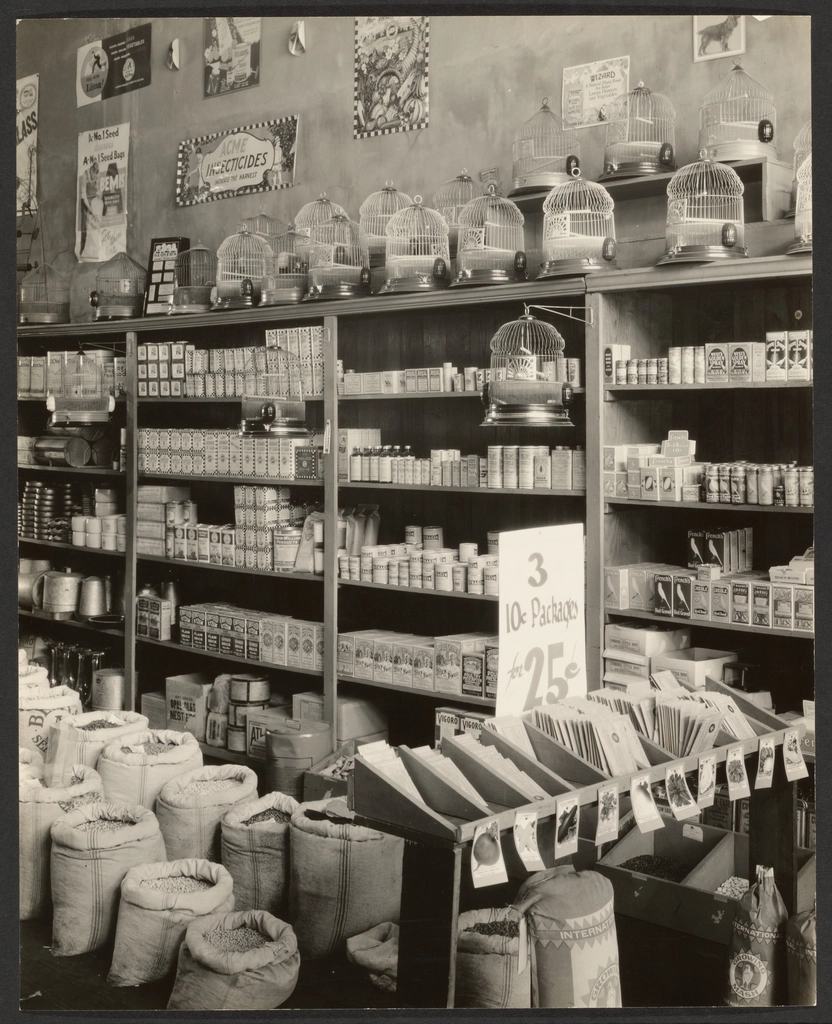
Retail’s seasonality is stock-shaped. A gift shop, a toy retailer or a garden centre commits real cash to inventory weeks or months before the selling season — and the golden-quarter retailer who misjudges the order has the worst of both worlds: cash gone into stock, and stock that did not move. Even a well-judged order creates a financing gap, because the supplier wants paying long before the customer does.
Retailers carry a second, quieter cost post-peak: January brings returns, clearance markdowns and the bills for everything bought in November. A business can have a record December and still face its tightest cash week six weeks later. Mapping that — the payment troughs, not just the revenue peaks — is the most useful planning a seasonal retailer can do.
Agriculture: one harvest, twelve months of outgoings
Agriculture is the purest version of the cycle. An arable farm may convert a year of inputs — seed, fertiliser, fuel, labour, machinery — into a single harvest payment. Livestock and horticulture have their own rhythms, but the shape is the same: outgoings are continuous and largely front-loaded, income is lumpy and back-loaded, and the weather can move the payday by weeks. Subsidy timing, grain-store decisions and the choice of whether to sell at harvest or hold for a better price all stretch the gap further.
Farms have traditionally bridged this with overdrafts and merchant credit, and those remain the right first tools. But the structural point is identical to hospitality and retail: the spend that creates next year’s income happens long before that income arrives, and something has to carry the difference.
How to manage the trough before you borrow for it
Borrowing is the last lever, not the first. Before any external finance, a seasonal business should:
- Build a 13-week rolling cash-flow forecast. Not a profit forecast — a week-by-week cash one. It will show you the exact trough date and depth, which is the only number that matters.
- Reserve from the peak. The discipline of ring-fencing a slice of peak takings to fund the trough is unglamorous and decisive. The peak is supposed to feed the trough; spending it all in-season is the original sin of seasonal trading.
- Negotiate supplier and rent terms around the cycle. A supplier paid promptly in-season may grant longer terms pre-season. Seasonal rent or rates arrangements exist in some sectors.
- Smooth what can be smoothed. Annualised staffing, equipment leasing instead of buying, and deposit-taking from customers all flatten the curve.
Only once the trough is mapped and the cheaper levers are pulled does external working-capital finance become a sensible question — and then the question is which kind.
Where a short company-level bridge fits
A predictable, self-liquidating, pre-season gap is exactly the shape that short-term finance is built for. The right tools for most seasonal businesses are a business overdraft, a business credit card, invoice or trade finance, or merchant credit — and the operator is on the record recommending those first. A short company bridge sits at the smaller end: a modest, fixed-cost amount to cover a specific gap that the coming season will clearly repay.
Two structural points matter for the seasonal borrower. First, the borrower is the company. Creditcorp lends to incorporated UK businesses — limited companies, LLPs and PLCs — and the loan sits on the company’s books, not the director’s. There is no personal guarantee, so a bad season does not become a personal debt. Second, because the borrower is a body corporate rather than an individual, the lending sits outside the FCA consumer-credit regime — see also our lending-and-regulation page. That is a different set of protections, and a seasonal director should understand it before borrowing.
The honest caveat is the one that applies to all short-term credit: match the term to the cycle. A bridge that funds a pre-season ramp should be repaid by the season it funds, not rolled into the next trough. Used that way, a short company-level bridge smooths one predictable gap. Used to paper over a structural shortfall — a business that does not actually earn enough across the year — it makes the next trough deeper. The 13-week forecast is what tells you which situation you are in.